 Due to the success of The Simpsons, more experimental TV animation began emerging. The Tick was a 1994 animation that was based on Ben Edlund's absurdist superhero comic and adapted into an animated series by Fox.
The Critic (1994) was created by The Simpsons writers. It is about a critic who hates contemporary films.
 Duckman (1994) was created by Everett Peck and it was based on characters from his comic. It was aimed at an adult audience and Duckman was voiced by Jason Alexander from Sienfeld.
The Big Story depicts an argument between young Kirk Douglas and old Kirk Douglas. Quentin Tarantino liked it so much that he requested it to be played before Pulp Fiction screenings. The Big Story is a 1994 stop motion film that was nominated for an Oscar. It was created by Tim Watts and David Stoten who went on work on other films including working on the storyboards for Tim Burton's Corpse Bride.
 In 1995 Dave Brothwick created The Secret Adventures of Tom Thumb which was made using a mixture of stopmotion and pixillation. It is an adaption of the Tom Thumb story that satirizes animal experimentation, pollution and the class system.
The End of The World in Four Seasons was created by Paul Driessen who was interested in visually told, non-linear, multiple narratives. He experimented with split screens and parallel stories. The End Of The World In Four Seasons features eight interlocking stories, told using eight split screens. In order to piece together the narrative, a few viewings are required.
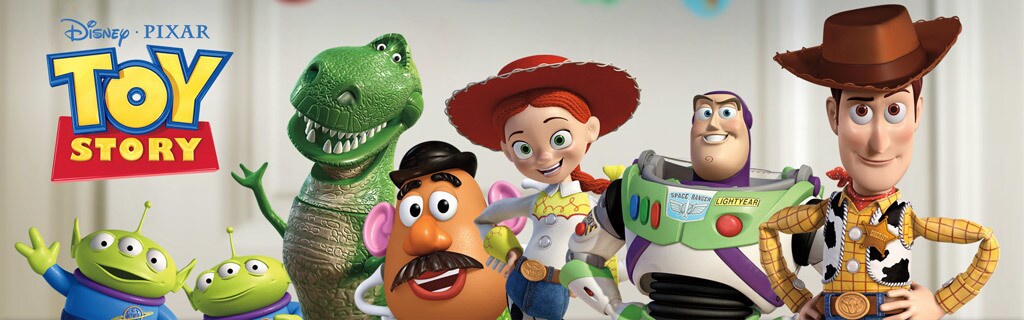 Toy Story (1995) was the first animated feature to be completely generated on computer. It was produced in partnership between Pixar and Disney. The animators followed Disney's principles of animation and applied them to CG characters paving the way for computer-animated features to come.
Comments
Post a Comment